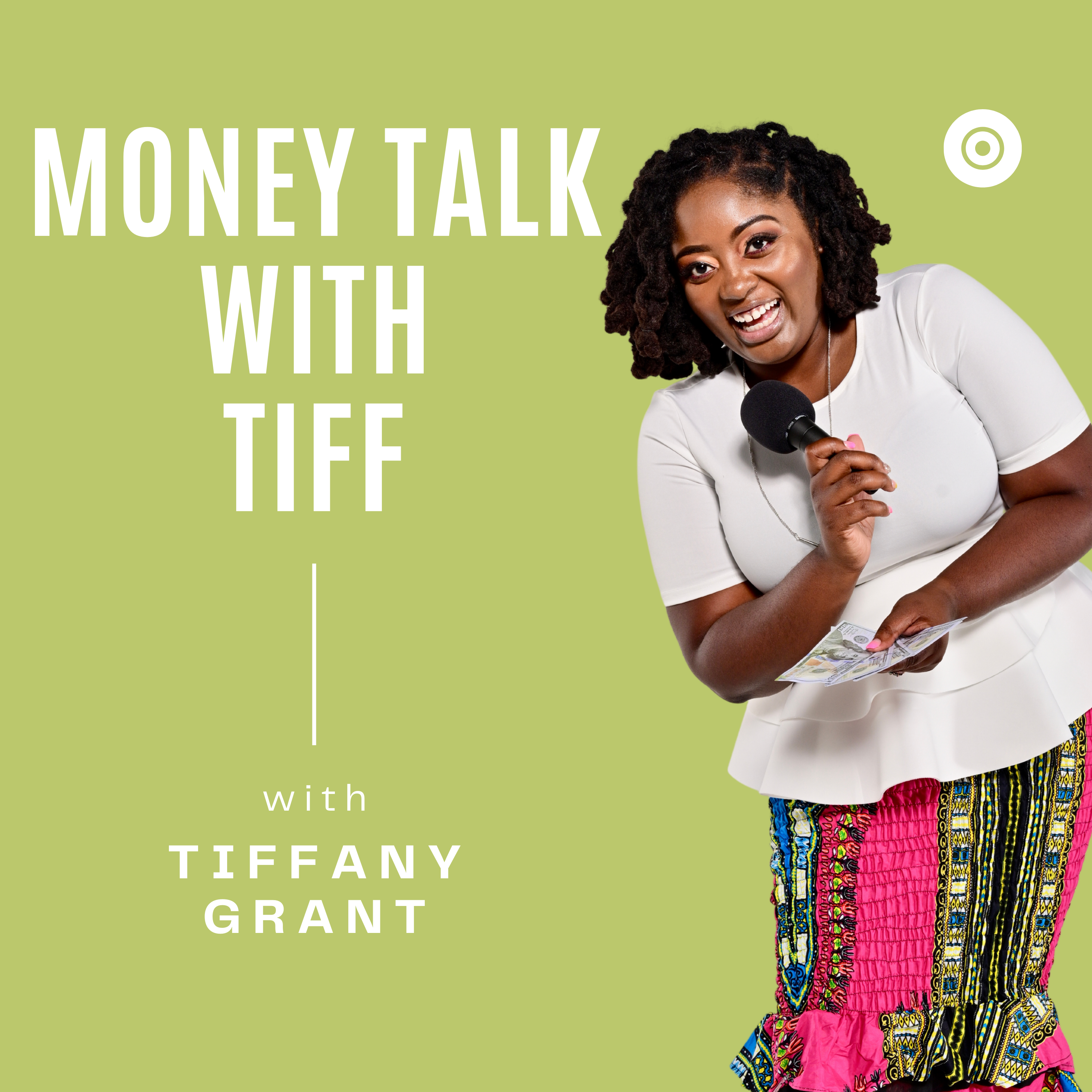
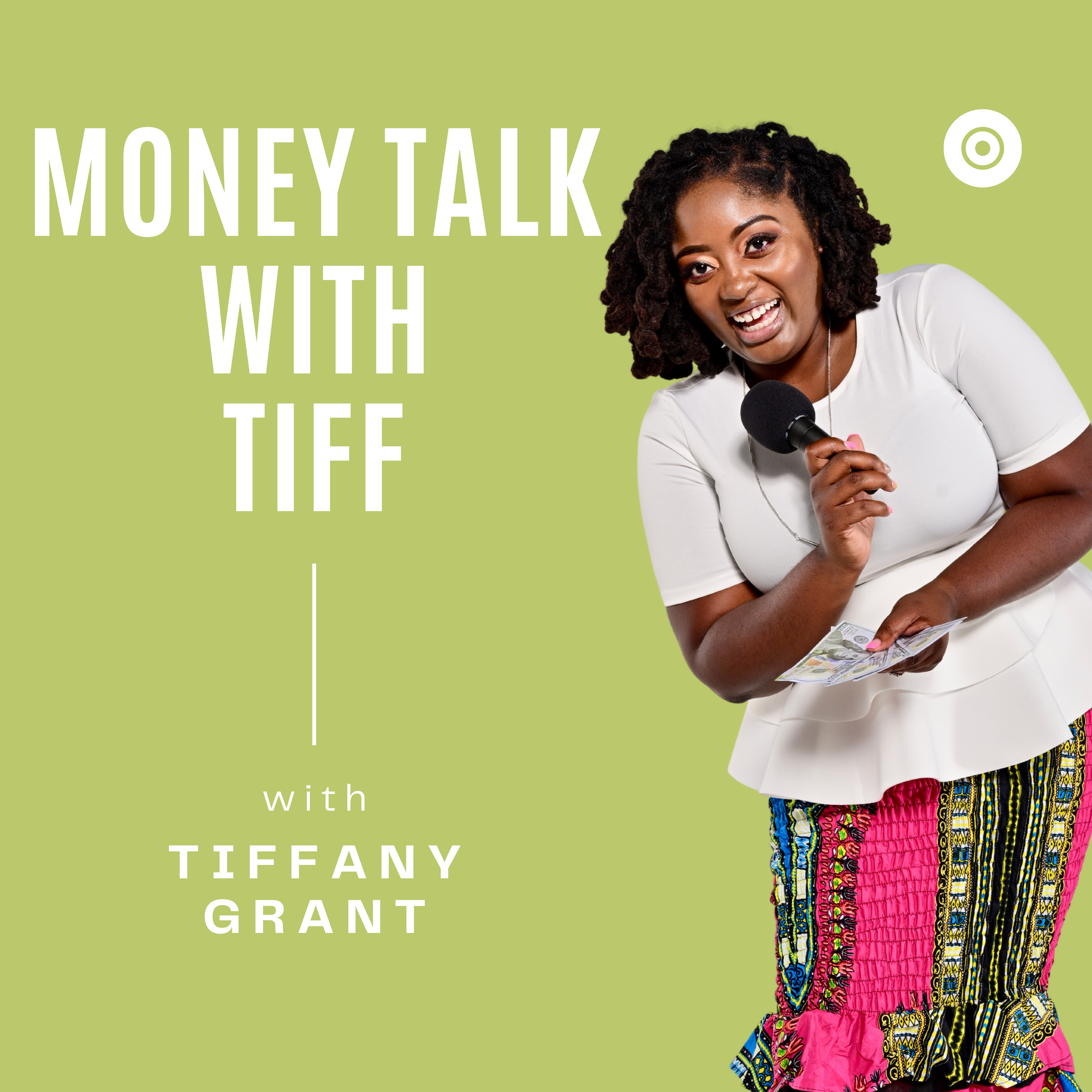
Money Talk With Tiff
ExplorePodcast overview and latest content
EpisodesBrowse the full episode archive
TopicsDiscover episodes by category
PostsBrowse published articles & write-ups
Preorder the book
Main Site

Podcast

  • Explore
  • Episodes
  • Topics
  • Posts

Topics

  • Personal Finance
  • Budgeting
  • Entrepreneurship
  • Financial Education
  • Financial Planning
  • Money Mindset
  • Financial Literacy
  • Debt Payoff

Recent Episodes

  • The Biggest Money Myth High Schoolers Believe
  • Financial Social Worker Explains Why Your 'I Don't Have Enough' Is Usually Wrong
  • I Almost Lost My Life Insurance Over an ACH Error — What We Learned
  • The Book Is Real Now What — And I Need Your Help
  • My Podcast Numbers Are Dropping — Here's the Real Reason

Links

  • Apple Podcasts
  • Spotify
  • YouTube
  • Overcast
  • Amazon Music
  • Preorder the book
  • Main Site

About

Money Talk With Tiff

Money Talk With Tiff

    Money Talk With Tiff
    Episode•June 25, 2026•21 min

    Financial Social Worker Explains Why Your 'I Don't Have Enough' Is Usually Wrong

    I bought pizza last night. House full of groceries. Zero capacity to cook. Then guilt. Sound familiar? Financial social worker Shirria McCullough, LCSW says this isn't failure — it's data. And the data looks very different depending on whether you're 24 or 42. In this episode, we break down what survival mode spending actually looks like: Gen Z — impulsive Klarna purchases, DoorDash three times a day, buying convenience because figuring out groceries requires mental real estate you don't have. Millennial moms — overcompensation spending. The expensive party because you feel like you're not "mommying enough." The toy run because guilt won. The trip because your spouse needs proof you're still showing up. And then the question nobody asks: Is emotional spending ever actually protective? Shirria argues yes — when you can afford it and you're conscious. The $20 instead of $5 for the person asking for help. Panera instead of McDonald's. It's not overconsumption if you chose it. We also cover what Shirria sees when she holds women truly accountable — not cruelty, but clarity. The moment they realize "I don't have enough" is usually an excuse, not math. (Spoiler: 8 times out of 10, the math says otherwise.) Plus: when to call a financial social worker instead of a coach. Why Shirria looks at your entire ecosystem — family, neighborhood, church, trauma patterns — not just your budget. And her own money mindset shift: losing her brother at 25, then watching her millionaire aunt die two years before retirement, still sacrificing. Two griefs. Two completely different lessons. Shirria's planning a year of rest for her 45th birthday in 2028 because of decisions she made years ago. Not luck. Not inheritance. Deliberate work. Find her @mentalwellnessclinicalcounseling and Services on Instagram, Shirria McCullough's life on TikTok and YouTube. 🎯 moneytalkwitht.com/start 📬 moneytalkwitht.com (Thursday newsletter) #survivalmodemoney #emotionalspending #financialsocialworker #mommoney #genzmoms #millennialmoms #moneymindset #overcomingsurvivalmode #financialliteracy #personalfinancepodcast #moneytalkwithtiff #shariamccullough #stewardship #blackmomsandmoney #restisproductive

    Apple PodcastsSpotifyYouTubeOvercastAmazon Music

    Key Takeaways

    • 1

      Survival mode spending looks different by generation and life stage

      Gen Z moms: impulsive Klarna/Afterpay buys, DoorDash multiple times daily, convenience purchases because mental bandwidth for planning is unavailable

      Millennial moms: overcompensation spending—expensive parties, toy runs, trips—to offset perceived shortfalls in 'mommying' or spousal presence

      Both groups make repeated small purchases (e.g., McDonald’s) that exceed the cost of bulk groceries, driven by exhaustion rather than math

    • 2

      Emotional spending can be protective when conscious and affordable

      Shirria gives $20 instead of $5 to someone in need or buys Panera instead of McDonald’s when she can afford it and has reflected on the choice

      Negative label of emotional spending usually stems from overconsumption; the real issue is whether the purchase is chosen with awareness and capacity

    • 3

      'I don’t have enough' is usually an excuse, not math

      Clients often operate on figurative numbers; when forced to review actual bank statements and pay stubs, 8 out of 10 discover they do have enough

      Example: one client resented her job over a perceived $37 vs $36.59 gap—41 cents of difference fueled months of therapy

    • 4

      Financial social work examines the entire ecosystem, not just the budget

      Shirria looks at family history, neighborhood, church, trauma patterns, and systemic influences alongside dollars and cents

      This holistic lens distinguishes financial social work from coaching or advising focused primarily on goal-setting

    • 5

      Grief and role models can trigger lasting money-mindset shifts

      Losing her brother at 25 forced Shirria to stop job-hopping and build stability for her children

      Her aunt’s death two years before millionaire retirement showed the cost of sacrificing everything for work; Shirria responded by eliminating debt and pursuing financial literacy

      Result: deliberate planning for a full year of rest at age 45 in 2028

    Intro

    • Tiff sits down with financial social worker Shirria McCullough, LCSW, to unpack why survival-mode spending and the belief 'I don’t have enough' are often emotional data rather than financial reality—especially for Gen Z and millennial moms.
    • Shirria McCullough, LCSW, is a financial social worker and licensed therapist in North Carolina (multi-state in SC, VA, MD, GA pending) who works with Gen Z and millennial Black moms on money trauma, emotional spending, and holistic wealth building.
    InstagramTikTokYouTube

    – How Survival Mode Shows Up in Spending

    • Shirria explains that survival-mode purchases vary by generation and emotional drivers.

    Excessive food purchases or restaurant purchases because I don’t have the capacity to figure out when I’m going to cook or have the energy to prepare a meal.

    – Shirria McCullough
    • Gen Z examples include Klarna/Afterpay impulsivity; millennial moms often overcompensate with expensive parties or trips.

    – Pizza, Groceries, and Guilt

    I just bought pizza last night because I just didn’t have the capacity to cook dinner… I know I have a house full of groceries.

    – Tiff
    • Shirria reframes the guilt as data: the purchase reflects current bandwidth, not moral failure.

    – Is Emotional Spending Ever Protective?

    I might buy Panera Bread for the person begging for food as opposed to McDonald’s… it’s really about where you are emotionally, if you have the emotional capacity to really assess why I’m making this purchase.

    – Shirria McCullough
    • When the spender can afford it and has reflected on the choice, emotional spending can be intentional generosity rather than overconsumption.

    – Excuses vs. Reality: 'I Don’t Have Enough'

    The top one is 'I don’t have enough' because they’re running off of figurative numbers and they don’t know the real math.

    – Shirria McCullough
    • Eight out of ten clients discover they actually have enough once statements are examined; one client’s months of job resentment boiled down to a 41-cent gap.

    – What Makes a Financial Social Worker Different

    • Shirria’s work includes family history, neighborhood, church, trauma, and systemic factors alongside budgeting—holistic rather than purely goal-oriented.

    – Two Griefs, Two Money Lessons

    I lost my brother in 2006… I can’t leave these kids with my mama with nothing.

    – Shirria McCullough
    • Her aunt’s death two years before millionaire retirement prompted Shirria to eliminate debt and plan a year of rest for her 45th birthday in 2028.

    Resources

    • Money Talk with Tiff Start Pagetool
    • Money Talk with Tiff Newsletter

    Topics

    survival mode spendingemotional spendingfinancial social workmillennial momsGen Z money habitsmoney mindsetfinancial traumaBlack moms and moneyrest and productivityfinancial literacy

    Financial Social Worker Explains Why Your 'I Don't Have Enough' Is Usually Wrong

    0:00
    0:00

    Related Episodes

    The Recovery Plan: What to Do When You Miss Your Money Goals

    The Recovery Plan: What to Do When You Miss Your Money Goals

    May 7, 20269 min
    48-Hour Rulefinancial recoverystewardship review
    Building Wealth by Keeping Real Estate: Tips from Dedric and Krystal Polite | Ep. 305

    Building Wealth by Keeping Real Estate: Tips from Dedric and Krystal Polite | Ep. 305

    Feb 22, 202417 min
    Dedric PoliteKrystal Politegenerational wealth
    Financial Literacy in High Schools with Yanely Espinal | Ep. 234

    Financial Literacy in High Schools with Yanely Espinal | Ep. 234

    Jun 1, 202319 min
    Yanely Espinalfinancial literacyhigh school curriculum
    You Can Do It! Here’s How To Successfully Set Up Your Business | Ep. 233

    You Can Do It! Here’s How To Successfully Set Up Your Business | Ep. 233

    May 30, 202310 min
    Business RegistrationEINIRS