Money Talk With Tiff
ExplorePodcast overview and latest content
EpisodesBrowse the full episode archive
TopicsDiscover episodes by category
PostsBrowse published articles & write-ups
Preorder the book
Main Site

Podcast

  • Explore
  • Episodes
  • Topics
  • Posts

Topics

  • Personal Finance
  • Budgeting
  • Entrepreneurship
  • Financial Education
  • Financial Planning
  • Money Mindset
  • Financial Literacy
  • Debt Payoff

Recent Episodes

  • My Podcast Numbers Are Dropping — Here's the Real Reason
  • What I Learned From Breaking Down a Whole Chicken (And Why It Matters for Your Money)
  • Too Busy for Budgeting? 3 Money Habits That Survive Chaos
  • Your Stewardship Circle: 4 People Who Keep You Growing Financially
  • The Recovery Plan: What to Do When You Miss Your Money Goals

Links

  • Apple Podcasts
  • Spotify
  • YouTube
  • Overcast
  • Amazon Music
  • Preorder the book
  • Main Site

About

Money Talk With Tiff

Money Talk With Tiff

    Money Talk With Tiff
    Episode•April 23, 2024•18 min

    Understanding the Psychological Toll of Credit Card Debt | Ep. 317

    In this crucial episode of Money Talk with Tiff, Tiffany Grant dives into the seldom-discussed topic of how credit cards can significantly influence our mental health. She unpacks the history of credit cards, discusses the psychological effects of spending with plastic, and gives practical advice on managing credit card use to foster financial and mental well-being. Timestamps: [00:00] Competition spurred credit card innovation, global convenience. [06:36] Credit card debt causes financial stress and strain. [09:31] Creating a budget is crucial for financial stability. [13:04] Use credit card regularly, pay off immediately. [14:41] Get help with credit card debt wisely. Key Points: The origin of credit cards and their evolution since the 1950s. The psychological differences between spending with cash versus credit. Benefits of using credit cards, including building credit history, rewards (with a cautionary note on their use), and fraud protection. Personal anecdotes about how credit can be advantageous when used responsibly. The stress and anxiety associated with credit card debt, backed by studies highlighting the correlation between debt and decreased mental health. The role of money management in personal relationships and self-esteem. Strategies to stay in control of credit card use, such as budgeting, spending tracking, and setting spending limits. The importance of paying off balances each month and keeping utilization low to improve credit scores. Resources: Blog post on budgeting with a video walkthrough of the budget spreadsheet (free download). Budget Nirvana course, which delves deeper into budgeting strategies and mindset. Need personal help with credit card debt management? Schedule a free 15-minute consultation with Tiffany. Get YNAB to start your budgeting journey Do you know when you will be debt-free? Get Debt Payoff Planner to find out! Navigating a Mountain of Credit Card Debt: Tips for Debt Management and Recovery | Ep. 298 Tiffany's Take: Is There Such Thing as Too Much Debt? | Ep. 179 Call to Action: Reflect on your relationship with credit cards. Consider necessary changes to enhance your financial health and mental well-being. Get help if you're struggling with credit card debt. Engage with Tiffany through social media or email to share your experiences. Reminder: If you have a question for Tiffany to answer on the podcast, submit it at www.moneytalkwitht.com/asktiffany. Don’t forget to like, subscribe, share, rate, and review the podcast. Social Media: Follow @moneytalkwitht on all platforms for updates and financial insights. Contact Information: Website: www.moneytalkwitht.com Submit Questions:...

    Apple PodcastsSpotifyYouTubeOvercastAmazon Music

    Key Takeaways

    • 1

      Credit cards originated from a desire to spend without immediate cash, creating psychological distance from money.

      Frank McNamara created the Diners Club card in 1950 after forgetting his wallet at a restaurant.

      Bank of America launched the first revolving credit card (Visa) in 1958, allowing users to carry a balance.

      Spending with plastic feels different than handing over cash because you don't physically see or count the money leaving your hands.

    • 2

      Credit card debt significantly impacts mental health, with studies showing clear correlations between debt and stress.

      A Journal of Family and Economic Issues study found higher credit card debt correlates with higher stress and lower well-being.

      72% of Americans report feeling stressed about money at least some of the time (American Psychological Association).

      The National Foundation for Credit Counseling survey revealed individuals with debt are more likely to report depression and anxiety.

    • 3

      Credit cards should be viewed as tools, not income, and used responsibly to avoid mental and financial harm.

      Benefits include building credit history, fraud protection, and rewards when used responsibly.

      Pay off balances each month to avoid interest charges—carrying a balance is not necessary to build credit.

      Keep utilization below 30% if you can't pay off monthly to improve both credit score and mental relief.

    • 4

      Budgeting and spending awareness are essential for managing credit card use and protecting mental health.

      Creating a budget provides awareness of spending patterns even if you don't stick to it perfectly.

      Track spending to identify "small holes" in your budget that can sink your financial ship.

      Set limits on credit card use, such as putting cards in the freezer when trying to avoid temptation.

    Intro

    • Tiffany Grant explores the psychological impact of credit card debt on mental health, covering the history of credit cards, the mental effects of spending with plastic, and practical strategies for responsible credit use.
    • Tiffany Grant is the host of Money Talk with Tiff podcast and a financial coach who helps clients manage debt and improve their relationship with money.

    – Introduction: Credit Card Debt and Mental Health

    • Tiffany introduces the episode topic, noting she's been receiving questions about how credit card debt affects mental health. She acknowledges having credit card debt herself and aims to provide a brief overview of credit card history, the good side of credit, why it becomes stressful, and how to manage it better.

    – The History and Origin of Credit Cards

    • Frank McNamara created the Diners Club card in 1950 after forgetting his wallet at a restaurant. Bank of America launched the first revolving credit card (Visa) in 1958, allowing users to carry a balance. In 1966, Interbank Card (now MasterCard) entered the market due to competition, spurring innovation that led to today's global credit card system.

    When you are counting out money, you actually feel it, you see it leaving your hands. When you're swiping a card, that does not happen. And so it's easier to swipe than it is to hand over money.

    – The Good Side of Credit Cards

    • Tiffany discusses the benefits of credit cards: building credit history, convenience, fraud protection, and rewards (with a caution that rewards are a marketing ploy to encourage more spending). She shares a personal story about using credit for her son's braces when his father backed out financially.

    I talked about how I use credit to help get my son's braces when his dad had backed out at the last minute with his half of the money.

    – The Psychological Toll of Credit Card Debt

    • Tiffany explains how credit card debt creates stress and anxiety, especially with rising interest rates. She cites studies showing the correlation between debt and decreased mental health, noting that money issues affect mood, relationships, and self-esteem.

    If your money's not right, your mood's not right. If your mood's not right, your relationships are not right.

    – Practical Strategies for Managing Credit Card Use

    • Tiffany provides actionable tips: create and stick to a budget, track spending to identify "small holes" in your budget, set limits on credit card use (she put her cards in the freezer), pay off balances monthly to avoid interest, and keep utilization below 30% if carrying a balance.

    When I was credit card debt free, I only use my credit. I literally put my cards in the freezer. So I put them in water, put them in the back of the freezer.

    – Getting Help and Final Thoughts

    • Tiffany encourages listeners to seek help if needed, offering a free 15-minute consultation. She emphasizes that credit cards are tools, not income, and urges reflection on one's relationship with credit cards to improve both financial and mental well-being.

    Sometimes, and this happens a lot with people that come to me, they just take the ostrich approach and stick their head in the sand. And they're like, well, if I ignore it, it never happened. And I'm here to tell you that is not the truth.

    Resources

    • Budgeting Basics Blog Post with Video Walkthrougharticle
    • Budget Nirvana Course
    • 15-Minute Consultation with Tiffany
    • YNAB Budgeting Tooltool
    • Debt Payoff Plannertool
    • Navigating a Mountain of Credit Card Debt | Ep. 298
    • Tiffany's Take: Is There Such Thing as Too Much Debt? | Ep. 179

    Topics

    credit card debtmental healthfinancial stressbudgetingcredit scoresmoney psychologydebt managementfinancial wellnessconsumer financepersonal finance

    Understanding the Psychological Toll of Credit Card Debt | Ep. 317

    0:00
    0:00

    Related Episodes

    Your Stewardship Circle: 4 People Who Keep You Growing Financially

    Your Stewardship Circle: 4 People Who Keep You Growing Financially

    May 14, 202610 min
    Stewardship CircleTruth TellerEncourager
    Building Your Resource Vault: 5 Financial Paths to Stop Overwhelm and Start Progress

    Building Your Resource Vault: 5 Financial Paths to Stop Overwhelm and Start Progress

    Apr 16, 20267 min
    Financial FoundationsInvestingWealth Creation
    Why Every Business Owner Needs a Bookkeeper | Ep. 391

    Why Every Business Owner Needs a Bookkeeper | Ep. 391

    Oct 3, 202518 min
    BookkeepingMelissa BroughtonCPA
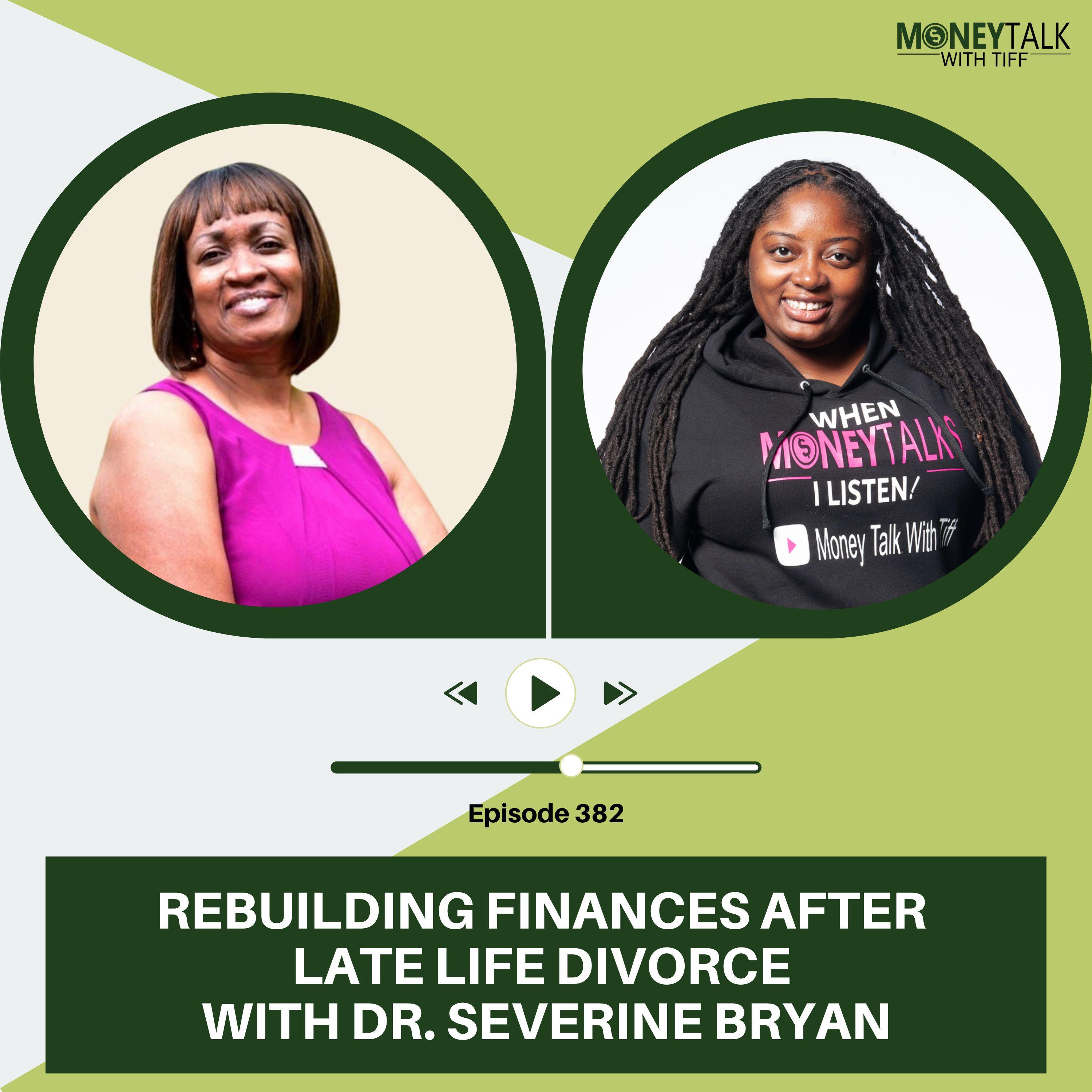
    Rebuilding Finances After Late Life Divorce with Dr. Severine Bryan | Ep. 382

    Rebuilding Finances After Late Life Divorce with Dr. Severine Bryan | Ep. 382

    Jun 26, 202518 min
    Late Life DivorceFinancial RebuildingSeverine Bryan